

There’s something quietly magical about Pastel Nagomi Art. With its soft colours, gentle blending, and meditative process, this Japanese art form has become a favourite among those seeking calm through creativity.
If you’re looking for a complete list of Pastel Nagomi Art materials, this guide is for you. Whether you’re a beginner wondering how to start, or an instructor preparing for a workshop, having the right tools will make your experience smoother and more enjoyable.
So what exactly do you need to begin your Pastel Nagomi Art journey? Here’s a closer look at the basic materials.
Basic Pastel Nagomi Art Materials
1. Soft Pastels for Pastel Nagomi Art
The star of the show.
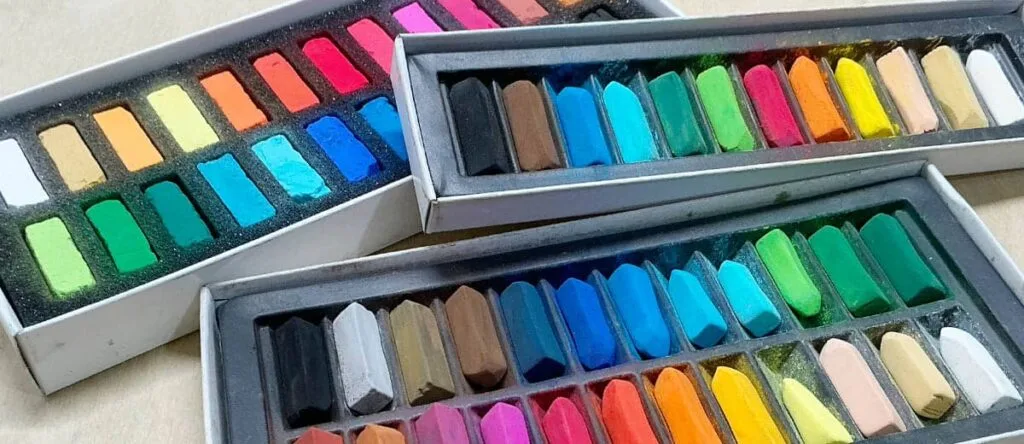
Pastel Nagomi Art uses soft, chalk-based pastels because they blend beautifully and create that signature powdery finish.
Popular brands include Mungyo, Sakura Nouvel Carre, and Faber-Castell, which are known for their smooth texture and rich pigments. A set of 12 colours is a great starting point. It offers enough range to express different moods and emotions without overwhelming you with choices. If you want more variety of colour, a 24 colour set will be a good investment.
2. Best Paper for Pastel Nagomi Art (15cm x 15cm)
Size matters.
Nagomi Art is typically created on square-format paper. A size of 15cm by 15cm, with at least 160 gsm thickness, is ideal; it provides enough space for expression while remaining manageable, especially for beginners and group sessions. The paper should be smooth enough to blend pastel but still able to hold colour.

3. Masking Tape for Creating Borders
That lovely white frame.
The soft border around most Pastel Nagomi Art pieces is created with masking tape. It gives your artwork a neat, finished look and enhances its visual impact.
While 15mm wide tape is the standard, 10mm is a popular choice too, especially if you prefer a more delicate edge. You will remove the tape once your artwork is completed. The artwork will have 4 sides with clean and neat borders. This simple step enhances a polished touch to every artwork.

4. Brush
Soft brushes help you keep your artwork clean without smudging it, and they are handy when working with multiple layers of colour.

5. Blending Tools (Fingers, Cotton Pads, or Paper Stumps)
This is where the magic happens.
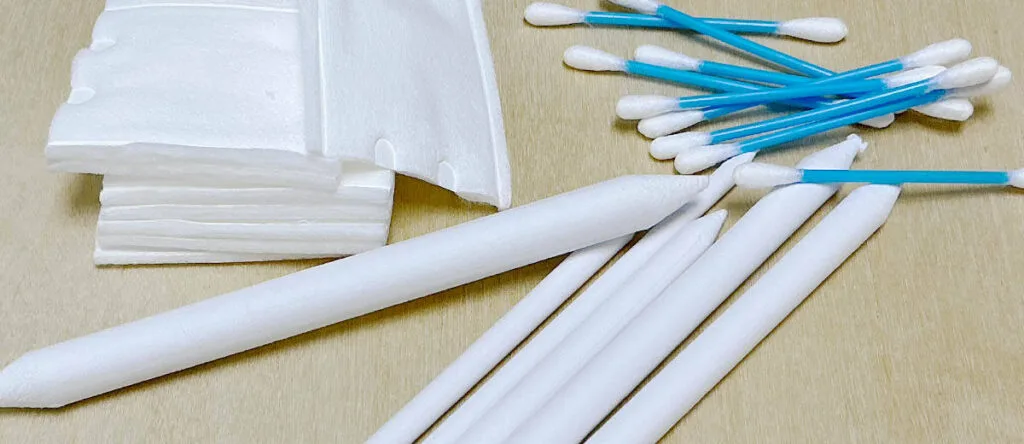
Traditionally, blending is done with your bare fingers, allowing for a soothing, hands-on connection to the art. However, many artists also use cotton pads, tissues, or paper stumps for smoother effects and cleaner hands.
6. Erasers for Highlighting in Pastel Nagomi Art
Drawing light with erasers.
Erasers are not just for corrections but also creative tools in Nagomi Art. There are three types of erasers commonly used in Pastel Nagomi Art:
A mechanical eraser or standard soft eraser to remove larger areas or erase patterns within a stencil.
A thin-tip eraser for drawing fine lines and small highlights.
A kneaded eraser for gentle lightening to add glow or mist without damaging the paper

7. White Gel Pen & Colour Pencils for Finishing Touches
A touch of detail.
A white gel pen adds sparkle, highlights edges, or writes meaningful words. It’s a simple tool that adds depth and personality to your Art.

8. Stencils for Pastel Nagomi Art Shapes
From hearts to bubbles — your shortcut to creativity.
Originally, stencils were simple steel plates with basic punch-out shapes. Today, artists can access many types of multi-shape stencils, helping beginners quickly create forms like suns, leaves, and circles without advanced drawing skills. A stencil can speed up the process and improve confidence in workshop settings.

9. Sieve or Scraping Tool for Soft Powder Effects
From pastel stick to gentle dust.
A sieve is often used to grind pastel into powder — useful for making soft skies, shadows, or backgrounds.
A metal ruler or craft knife can do the job if you don’t have one. Some modern stencils include a built-in scraping surface, saving you the need for extra tools.

10. Charcoal Pencil
A charcoal pencil works well on pastel artwork; it helps to create fine lines without overpowering the pastel tones. Although a colour pencil will also do the job, it leaves a mild waxy finish on the lines.
Besides using them to define outlines or add contrast, you can also proudly sign your name on your finished work.

11. Protective Sleeves or Fixative Spray
Because your Art deserves to be preserved.
Once your piece is done, protect it with a fixative spray (to reduce smudging) or slip it into a clear sleeve, which is ideal for storage, display, or gifting.

Optional but Useful Tools
While the basic materials are more than enough to begin your Pastel Nagomi Art journey, there are a few additional tools that many people find helpful as they explore further or prepare their own workshop materials.
Art Knife or Pen Knife
Some lesson, especially online lessons may require you to create your own stencils, a precision art knife or pen knife is useful for cutting paper or plastic sheets cleanly. It gives you more freedom to design custom shapes.
Cutting Mat
A small cutting mat protects your table while using a knife. It also helps you measure and align stencil designs more easily. Choose a size that fits your work area.
Black Pigment Pen (0.4mm or 0.5mm)
A fine-tip black pigment pen is perfect for drawing outlines, adding small details, or signing your name on your finished piece. The waterproof ink won’t smudge on pastel paper and can add a polished final touch to your artwork.
Plastic Container
A simple recycled food container works well for storing bits of leftover material, such as eraser dust, extra pastel powder, or stencil cut-outs. It helps keep your workspace tidy and reduces mess during sessions.
Wet Wipes or Damp Cloth
It’s always useful to have wet wipes or a slightly damp cloth nearby to keep your hands clean while working. Just make sure your hands are dry before touching your pastels, as moisture can cause the colours to smudge or become muddy.
📌 Quick Checklist: What You Need for Pastel Nagomi Art
✨ Bonus: A Ready-to-Go Pastel Nagomi Art Set
If you’d rather not hunt down every item individually, consider the Zundeng Art Pastel Nagomi Art Starter Kit, which includes all the basic tools you need to start, whether learning at home, guiding a workshop, or introducing someone to this peaceful Art form.
One such kit is the Zundeng Art Pastel Nagomi Art Set, curated with care to include:
Final Thoughts

Pastel Nagomi Art isn’t about perfection but peace, expression, and finding joy in gentle colours and soft textures.
You can begin a creative, calming, and deeply personal journey with just a few thoughtfully chosen materials. Whether for self-care, teaching, or sharing Art with others, the right tools will support your experience every step. It’s not about perfection but peace, expression, and finding joy in gentle colours and soft textures.